Practical Resources for Those Who Run Toward Danger
You don’t have to figure this stuff out alone. The Resource Center provides practical information, tools, and resources for first responders dealing with issues that don’t always end when the shift does.
No fluff. No judgment. No pretending. Just information designed to help you understand what you’re carrying and decide your next step.
UNDERSTAND WHAT YOU’RE CARRYING
Information that helps you understand the job’s impact—before it becomes something you simply learn to live with.
PTSi & Trauma
Understanding what repeated exposure to trauma can do—and why some calls stay with you long after the shift ends.
Hypervigilance & Stress
Understanding why your body and brain may stay on high alert even after the call is over.
Moral Injury
Understanding the wounds that can come from what you experienced, witnessed, did, or couldn’t prevent.
Sleep, Nightmares & Recovery
Understanding why the calls can follow you home, disrupt your sleep, and affect your recovery between shifts.
BFR TOOLS & GUIDES
Tools you can actually use. These guides help you slow things down, understand what’s happening, and take the next step—without figuring it out alone.
Tactical Reset
A practical reset you can use after a difficult call, during a stressful shift, or when your nervous system won’t stand down.
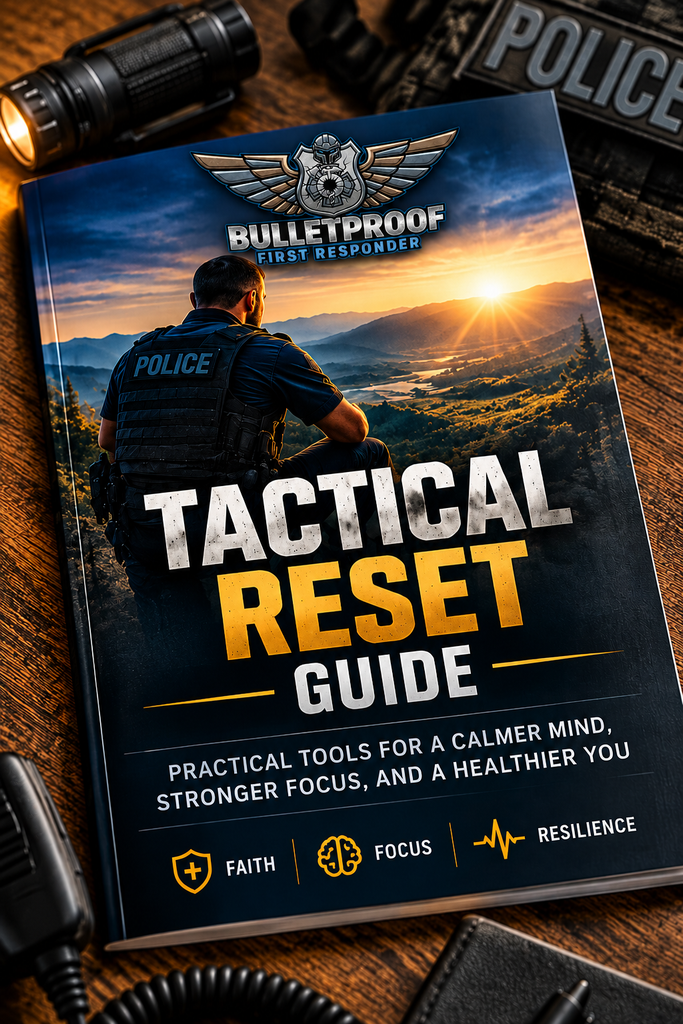
Personal Survival Plan
A simple plan for identifying warning signs and the resources you can use when things start heading in the wrong direction.
Hypervigilance Guide
Learn what happens when your body stays on high alert—and practical ways to start bringing the system back down.

CRISIS & SUPPORT RESOURCES
When you need someone who understands the job. These resources connect first responders and their families with confidential peer support and crisis assistance.
CopLine
24/7 confidential peer support for current and former law enforcement officers and their families, provided by people who understand the job.
1-800-267-5463

Fire/EMS Crisis Support
24/7 confidential crisis support for current and former firefighters, paramedics, EMTs, and their families when the job starts taking a toll. Peer Support is localized for your community.
1-844-525-3473
Safe Call Now
24/7 confidential peer support for public safety employees and emergency services personnel who need someone who understands the job.
1-206-459-3020

MEET DANNY
31 YEARS IN THE JOB. A LIFETIME OF LESSONS.
I spent 31 years in law enforcement. I know what it’s like to work the calls, carry the weight home, and tell yourself you’re fine when you’re anything but.
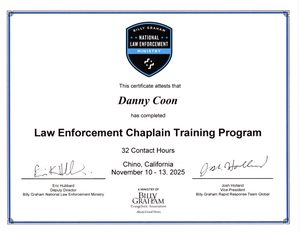
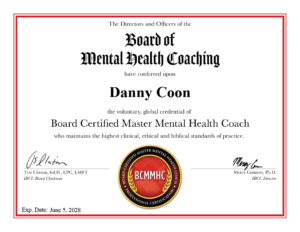
Along the way, I became a trained chaplain and mental health coach. Those experiences taught me something important: first responders don’t need more lectures about being tougher. They’ve already proven they’re tough.
What we need is better information, practical tools, and a place to talk honestly about what the job can do to us—and what we can do about it.
That’s why I created Bulletproof First Responder.
This isn’t about pretending the job doesn’t affect you. It’s about understanding what you’re carrying, recognizing when something is changing, and knowing what your next step can be.
No fluff. No judgment. No pretending.
YOU DON’T HAVE TO FIGURE THIS OUT ALONE
The job can change you. The good news is, you don’t have to navigate those changes by yourself.
Use the resources above. Talk to someone you trust. Learn what your mind and body are telling you. And when you’re ready, keep learning with Bulletproof First Responder.